
Software developers are the builders of the digital world. Every app on your phone, every website you visit, every system running quietly in the background — a software developer wrote the code that made it happen. But the role goes far beyond just typing code into a screen. It involves planning, problem-solving, collaboration, and continuous learning in equal measure.
Whether you’re considering a career in software development or just want to understand what these professionals actually do, here are the ten key responsibilities that define the role.
1. Writing and Reviewing Code
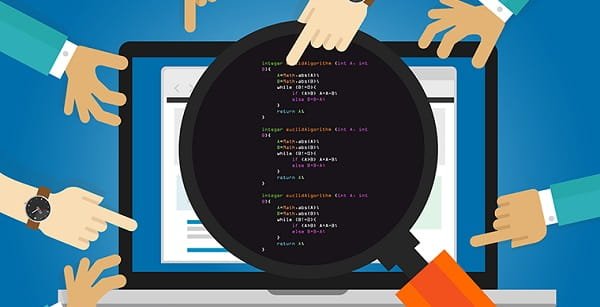
The most fundamental responsibility of any software developer is writing code — clean, efficient, and well-structured code that turns ideas into working software. But equally important is reviewing other people’s code. Code reviews help catch bugs early, maintain quality standards, and ensure the entire team is building in a consistent and maintainable way.
2. Understanding and Gathering Requirements
Before a single line of code is written, a developer needs to understand what they’re building and why. This means working closely with clients, product managers, or stakeholders to gather requirements, ask the right questions, and translate business needs into clear technical specifications. Misunderstanding requirements at this stage can cost weeks of rework later.
3. Designing Software Architecture
Good software starts with a good design. Developers are responsible for planning how a system will be structured — how different components will interact, what technologies will be used, and how the codebase will scale as the product grows. A well-thought-out architecture makes everything easier; a poor one creates problems that compound over time.
4. Testing and Debugging
Writing code and making code work are two different things. Developers are responsible for testing their work — writing unit tests, integration tests, and conducting manual checks to ensure everything behaves as expected. When bugs appear (and they always do), developers need to trace the problem, identify the root cause, and fix it without breaking anything else.
5. Documenting Their Work
Good documentation is what separates professional software from a personal project. Developers are expected to document their code, APIs, system architecture, and processes so that teammates — and their future selves — can understand how everything works. Poor documentation is one of the most common sources of frustration in software teams.
6. Collaborating With the Team
Software development is rarely a solo endeavour. Developers work alongside other developers, designers, product managers, QA engineers, and business stakeholders on a daily basis. This means communicating clearly, participating in meetings and planning sessions, sharing knowledge, and being a reliable team member — not just a strong individual contributor.
7. Maintaining and Improving Existing Software
Not all development work involves building something new. A significant part of the job is maintaining existing systems — fixing bugs reported by users, updating outdated dependencies, refactoring messy code, and making improvements to features already in production. Keeping existing software healthy is just as important as shipping new features.
8. Meeting Deadlines and Managing Time
Software projects run on timelines. Developers are responsible for estimating how long tasks will take, communicating progress honestly, and managing their time effectively to meet deadlines. This includes knowing when to ask for help, when to flag blockers, and when a realistic estimate needs to be renegotiated rather than silently missed.
9. Keeping Up With New Technologies
The technology landscape moves fast. A language, framework, or tool that was cutting-edge three years ago may be outdated today. Software developers have a professional responsibility to keep learning — reading industry news, exploring new tools, attending conferences or webinars, and continuously expanding their skill set to stay relevant and effective.
10. Ensuring Security and Data Protection
Every developer, regardless of their specialisation, shares responsibility for building secure software. This means understanding common vulnerabilities, writing code that doesn’t expose user data, following security best practices, and staying informed about threats relevant to the systems they build. Security is not just the security team’s job — it’s everyone’s job.
Wrapping Up
Being a software developer is about much more than knowing how to code. It’s a role that demands technical depth, clear communication, careful planning, and a commitment to continuous improvement. The best developers aren’t just skilled programmers — they’re reliable professionals who take ownership of their work from the first line of code all the way to the final product in users’ hands.
 Prateema Jain