
Viratnagar, historically known as Bairat, is one of Rajasthan’s oldest and most historically significant towns — an ancient settlement nestled in the Jaipur district along the Delhi–Jaipur corridor. Famous for its deep connections to the Mahabharata era, Mauryan history, Buddhist heritage, and Mughal-period architecture, Viratnagar occupies a unique place in North India’s cultural landscape. Surrounded by the Aravalli hills and dotted with archaeological remains, temples, stepwells, and historic structures, the town continues to attract historians, pilgrims, heritage enthusiasts, and tourists seeking Rajasthan beyond its royal palaces.
Located approximately 85 km north of Jaipur and carrying pin code 303102, Viratnagar combines mythology, archaeology, spiritual importance, and rural Rajasthan charm within one historic settlement. The town is believed by many traditions to be linked with the Matsya Kingdom of King Virata from the Mahabharata, where the Pandavas spent part of their exile in disguise.
| Parameter | Details |
| Locality Name | Viratnagar (Historic Bairat) |
| City / District | Jaipur District, Rajasthan |
| Pin Code | 303102 |
| Post Office | Viratnagar Post Office |
| Region / Zone | North-East Rajasthan |
| Assembly Constituency | Viratnagar |
| Lok Sabha Constituency | Jaipur Rural |
| Elevation | ~430 m above sea level |
| STD Code | 01422 |
| Coordinates | 27.4330° N, 76.1820° E |
| Nearby Towns | Shahpura, Kotputli, Alwar, Jaipur |
| Nearest Railway Stations | Jaipur Junction (~85 km), Alwar (~70 km) |
| Major Roads | NH-48 (Delhi–Jaipur Highway), State Highway routes |
| Main Identity | Ancient Mahabharata-era and Buddhist heritage town |
Location of Viratnagar Rajasthan
Viratnagar lies in the northern part of Jaipur district, positioned amid the Aravalli hill ranges and connected to Rajasthan’s major highway network. The town is situated near the Delhi–Jaipur route, making it accessible from both Rajasthan’s capital and neighbouring Haryana.
The region is surrounded by semi-arid hills, agricultural land, ancient ruins, and traditional Rajasthani settlements. Jaipur lies approximately 85 km south of Viratnagar, while Alwar is roughly 70 km away. Delhi is around 180 km from the town.
Historically known as Bairat, the town holds exceptional archaeological importance because of discoveries linked to the Mauryan Empire and early Buddhism. Several ancient ruins, inscriptions, and monasteries found in the area have made Viratnagar an important heritage destination in Rajasthan.
Connectivity of Viratnagar Rajasthan
Road
Viratnagar enjoys strong road connectivity through NH-48, the Delhi–Jaipur Highway corridor. The town can be conveniently accessed from Jaipur, Delhi, Alwar, Kotputli, and Shahpura through well-connected state highways and regional roads.
Road travel remains the primary mode of transport for residents and tourists visiting the area.
Rail
The nearest major railway station is Jaipur Junction located approximately 85 km away. Alwar Railway Station is also relatively accessible from Viratnagar.
These stations provide long-distance train connectivity to Delhi, Mumbai, Ahmedabad, Kolkata, and major Indian cities.
Bus
RSRTC and private bus services connect Viratnagar with Jaipur, Kotputli, Shahpura, Alwar, and Delhi. Shared jeeps and local transport vehicles are commonly used for nearby village connectivity.
Airport
Jaipur International Airport is approximately 95 km away and serves domestic as well as limited international flights.
Historical Importance of Viratnagar
Viratnagar is deeply associated with Indian mythology and ancient history. According to Mahabharata traditions, the town is believed to have been part of the Matsya Kingdom ruled by King Virata. Many local legends state that the Pandavas spent their final year of exile here while living incognito.
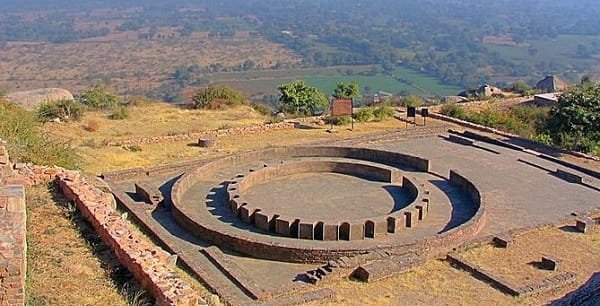
The town later became an important centre during the Mauryan period. Archaeological excavations in Viratnagar uncovered one of India’s oldest Buddhist structures, including remnants of monasteries and Ashokan inscriptions. Historians consider the Bairat Buddhist site among the earliest known examples of Buddhist architecture in India.
One of the most important discoveries here is the Bairat Edict of Emperor Ashoka, which highlighted Buddhist teachings and Mauryan governance. The region therefore holds significance not only in Hindu mythology but also in Buddhist and ancient Indian history.
Nearby Places Around Viratnagar Rajasthan
- Bairat Buddhist Stupa — one of India’s earliest Buddhist archaeological sites.
- Bijak Ki Pahadi — famous archaeological hill associated with Ashokan remains.
- Panch Mahal — historic Mughal-era structure.
- Ganesh Dungri — important religious hill temple.
- Mughal Gate — old gateway structure reflecting medieval architecture.
- Jaipur (around 85 km) — Rajasthan’s capital city and major tourism centre.
- Alwar (around 70 km) — historic city known for forts and palaces.
- Sariska Tiger Reserve (within driving distance) — famous wildlife destination.
Lifestyle and Economy in Viratnagar
Viratnagar carries a distinctly traditional Rajasthani small-town character — old bazaars, temples, local eateries, agricultural surroundings, and a calm pace of life define the settlement. Unlike Rajasthan’s heavily urbanised tourism centres, Viratnagar still preserves much of its historical and rural atmosphere.
Agriculture remains an important part of the local economy, while tourism and heritage-related activities contribute steadily to the region’s visibility. Small businesses, local markets, handicrafts, and pilgrimage tourism support everyday commerce.
The town’s growing recognition among history enthusiasts and archaeologists has also increased tourism potential over recent years. Visitors often travel here for heritage exploration, photography, and spiritual tourism linked to Mahabharata traditions.
Tourism and Heritage Appeal of Viratnagar
Viratnagar remains one of Rajasthan’s lesser-known yet historically rich destinations. Unlike Jaipur, Udaipur, or Jodhpur, the town offers a quieter heritage experience focused more on archaeology and mythology than royal palaces.
The combination of Mahabharata legends, Buddhist remains, Ashokan inscriptions, Mughal structures, and Aravalli landscapes gives the town a unique multi-layered identity rarely found elsewhere in Rajasthan.
Winter months between October and February are generally considered the best time to visit because of pleasant weather conditions.
Final Thoughts
Viratnagar, historically known as Bairat, stands among Rajasthan’s most fascinating heritage towns — a destination where mythology, Mauryan history, Buddhist archaeology, and traditional Rajasthani culture come together within one ancient settlement. With its Mahabharata connections, Ashokan legacy, scenic Aravalli surroundings, and growing heritage tourism appeal, Viratnagar continues to remain one of Jaipur district’s most culturally important and historically valuable towns.
 Prateema Jain