
Wood has shaped furniture for centuries. Long before modular kitchens and ready-made wardrobes became common, homes relied on solid wood furniture that could survive generations. Even today, many people still associate “real quality” with heavy wooden beds, carved dining tables, and solid timber wardrobes.
But modern interiors have changed the industry. Rising wood prices, changing lifestyles, and mass furniture production gave rise to engineered wood — a material designed to offer affordability, consistency, and modern finishes without depending entirely on natural timber.
Today, both solid wood and engineered wood dominate the furniture market. From luxury villas to compact apartments, homeowners constantly face the same question: should you invest in real solid wood or choose modern engineered wood instead?
The answer depends on durability, budget, maintenance, aesthetics, and how you actually use your furniture daily.
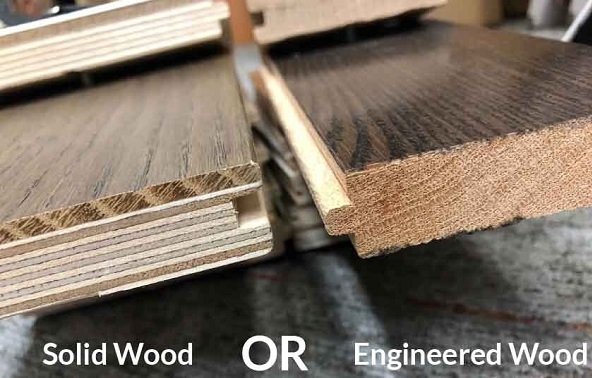
Solid Wood vs Engineered Wood: Quick Comparison
| Feature | Solid Wood | Engineered Wood |
| Material Type | Natural timber cut from trees | Manufactured wood products |
| Strength | Extremely strong | Moderate to high |
| Durability | Excellent | Good |
| Moisture Resistance | Depends on wood type | Moderate |
| Lifespan | 30–100 years | 5–20 years |
| Appearance | Natural grain and texture | Uniform surface finish |
| Maintenance | Higher maintenance | Lower maintenance |
| Cost | Expensive | Affordable |
| Repairability | Easy to repair and refinish | Difficult once damaged |
| Weight | Heavy | Lighter |
| Design Flexibility | Traditional and premium | Modern and modular |
| Best For | Luxury furniture, heirloom pieces | Modular interiors and budget furniture |
What Is Solid Wood?
Solid wood furniture is made directly from natural timber cut from trees such as:
- Teak
- Sheesham
- Oak
- Walnut
- Maple
Unlike manufactured boards, solid wood contains no compressed particles or synthetic layers inside.
Solid wood is known for:
- Exceptional strength
- Natural beauty
- Long lifespan
- Premium feel
It is commonly used in:
- Luxury beds
- Dining tables
- Cabinets
- Doors
- Antique furniture
What Is Engineered Wood?
Engineered wood refers to manufactured wood products created by bonding wood fibres, particles, veneers, or chips together using adhesives and pressure.
Common engineered wood products include:
- MDF
- HDF
- Plywood
- Particle board
Engineered wood became popular because it offers:
- Lower cost
- Better manufacturing consistency
- Smooth finishes
- Easier mass production
It is widely used in:
- Modular kitchens
- Wardrobes
- Office furniture
- TV units
- Modern apartments
Strength and Structural Stability
Solid wood is naturally stronger than most engineered wood products.
It handles:
- Heavy loads
- Long-term pressure
- Repeated usage
- Structural stress
This is why solid wood furniture often lasts decades without major weakening.
Engineered wood performs well for modern furniture, but lower-quality boards may sag, crack, or weaken over time under heavy loads.
Winner:
Solid wood
Durability and Lifespan
Solid wood furniture can easily last generations if properly maintained.
Many old teak or sheesham furniture pieces remain usable even after 50–100 years.
Engineered wood generally has a shorter lifespan because:
- Adhesives weaken over time
- Moisture can damage boards
- Edges chip more easily
High-quality plywood performs better than particle board, but solid wood still remains superior overall.
Winner:
Solid wood
Appearance and Natural Beauty
This is where solid wood has timeless appeal.
Each piece of solid wood has:
- Unique grain patterns
- Natural texture
- Rich depth
- Warm appearance
No engineered surface can completely replicate the authenticity of real timber.
Engineered wood, however, offers very smooth and uniform finishes ideal for:
- Modern interiors
- Acrylic panels
- Laminates
- Contemporary designs
Winner:
- Solid wood for natural beauty
- Engineered wood for sleek modern finishes
Moisture and Weather Resistance
Moisture resistance depends heavily on the material type.
High-quality solid woods like teak naturally resist moisture very well. However, some woods may expand or contract slightly with weather changes.
Engineered wood products vary greatly:
- Marine plywood handles moisture well
- MDF and particle board are more vulnerable
Poor-quality engineered wood can swell quickly if exposed to water.
Winner:
Solid wood overall
Maintenance and Care
Solid wood requires periodic care such as:
- Polishing
- Protection from moisture
- Surface refinishing
Engineered wood generally needs less maintenance in daily use because of laminates and factory finishes.
However, once engineered wood gets damaged, repairs are much harder.
Winner:
Engineered wood for easier maintenance
Repair and Restoration
Solid wood furniture can be:
- Sanded
- Repaired
- Refinished
- Repainted
Even old damaged solid wood furniture can often be restored beautifully.
Engineered wood is much harder to repair once swollen, chipped, or cracked.
Winner:
Solid wood
Weight and Portability
Solid wood furniture is heavy and difficult to move frequently.
Engineered wood is lighter, making it easier for:
- Apartment shifting
- Modular assembly
- Urban lifestyles
Winner:
Engineered wood
Cost Difference
Solid wood is significantly more expensive because:
- Natural timber costs more
- Manufacturing takes longer
- Premium woods are limited
Engineered wood is much more affordable and allows stylish furniture at lower prices.
Winner:
Engineered wood for affordability
Which Is Better for Modern Homes?
For luxury homes and long-term furniture investments, solid wood remains unmatched.
For modern apartments and modular interiors, engineered wood offers:
- Better affordability
- Stylish finishes
- Lightweight furniture
- Faster installation
This is why many homeowners now combine both materials.
Which One Should You Choose?
Choose solid wood if:
- You want maximum durability
- You prefer premium furniture
- You value natural wood beauty
- You want furniture that lasts decades
- Budget is not a major concern
Choose engineered wood if:
- You want affordable furniture
- You prefer modular interiors
- You need lightweight furniture
- You like sleek modern finishes
- You want budget-friendly solutions
Final Verdict
Solid wood and engineered wood are both excellent materials, but they are built for different lifestyles and priorities.
Solid wood remains the gold standard for strength, durability, natural beauty, and long-term value. It is ideal for homeowners looking for premium furniture that can last generations.
Engineered wood, meanwhile, has transformed modern interiors by making stylish furniture more affordable, lightweight, and practical for urban living.
In simple terms:
- Choose solid wood for luxury, longevity, and timeless appeal
- Choose engineered wood for affordability, modular design, and modern convenience
For many homes today, the smartest approach is often a mix of both — solid wood for important furniture pieces and engineered wood for modular and decorative sections.
FAQs
Q: Which is better, solid wood or engineered wood?
A: Solid wood is generally better for durability and longevity, while engineered wood is more affordable and practical for modern interiors.
Q: Does engineered wood last long?
A: Good-quality engineered wood can last many years, but it usually does not match the lifespan of solid wood.
Q: Is solid wood expensive?
A: Yes. Solid wood furniture is usually much more expensive because it uses natural timber.
Q: Which is stronger?
A: Solid wood is generally stronger than most engineered wood products.
Q: Is engineered wood waterproof?
A: Some engineered wood products resist moisture well, but many types can swell if exposed to water.
Q: Which is better for modular kitchens?
A: High-quality engineered wood and plywood are commonly used for modular kitchens because of their smooth finishes and cost efficiency.
Q: Can engineered wood look premium?
A: Yes. Modern engineered wood furniture with laminates, acrylics, or veneers can look highly stylish and premium.
 Prateema Jain