
Wearable health technology has evolved far beyond counting steps and measuring heart rate. Modern smart wearable rings can continuously monitor physiological signals such as skin temperature, resting heart rate, heart rate variability (HRV), sleep quality, and activity levels. While these devices cannot directly measure estrogen, they can detect body changes that often occur alongside hormonal fluctuations during the menstrual cycle, perimenopause, and menopause.
By understanding these indirect indicators, users can gain valuable insights into hormone-related patterns and discuss any concerning changes with a healthcare professional. Here’s how smart wearable rings can help track estrogen shifts and support overall health.
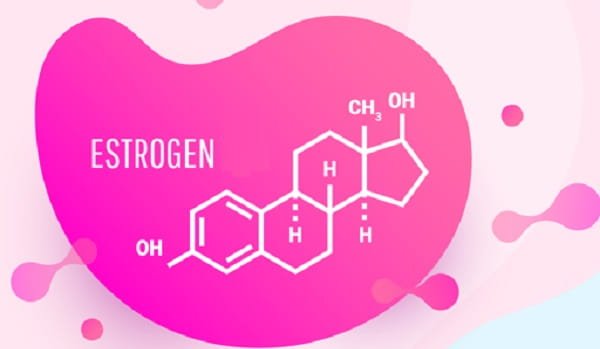
What Is Estrogen?
Estrogen is a group of hormones that plays an essential role in the female reproductive system. It also influences bone health, heart function, skin, brain function, mood, metabolism, and body temperature.
Estrogen levels naturally fluctuate during:
- The menstrual cycle
- Pregnancy
- Perimenopause
- Menopause
- Certain medical conditions
These hormonal changes can affect sleep, energy, mood, body temperature, and cardiovascular function—all of which may be reflected in data collected by wearable devices.
Can a Smart Ring Measure Estrogen Directly?
The simple answer is no.
Current consumer smart rings do not directly measure estrogen levels in the bloodstream. Estrogen testing still requires laboratory blood tests or, in some situations, urine or saliva testing under medical guidance.
However, wearable rings continuously collect physiological data that may change in response to hormonal fluctuations. Over several menstrual cycles or months, these trends can provide useful insights into how the body responds to changing hormone levels.
Biometrics That May Reflect Estrogen Changes
1. Skin Temperature
Many wearable rings monitor overnight skin temperature.
Body temperature naturally changes during the menstrual cycle due to hormonal activity. After ovulation, progesterone typically causes a slight increase in body temperature. While estrogen itself is not directly measured, changes in temperature patterns can help estimate different cycle phases.
Sudden changes in temperature may also occur during perimenopause and menopause because of hot flashes and night sweats.
2. Resting Heart Rate
Hormonal fluctuations can influence resting heart rate.
Some users notice slightly elevated resting heart rates during the luteal phase of the menstrual cycle or during periods of hormonal transition. Long-term tracking can reveal recurring monthly patterns.
3. Heart Rate Variability (HRV)
HRV measures variation in time between heartbeats and reflects nervous system activity.
Research suggests HRV may fluctuate throughout the menstrual cycle. Some individuals observe lower HRV during certain hormonal phases, although responses vary from person to person.
Monitoring HRV trends may help users understand how hormonal changes affect recovery, stress, and overall well-being.
4. Sleep Quality
Many women experience changes in sleep during different hormonal stages.
A wearable ring can monitor:
- Sleep duration
- Sleep stages
- Nighttime awakenings
- Sleep consistency
Declining estrogen during perimenopause or menopause may contribute to disrupted sleep, making long-term tracking particularly useful.
5. Recovery Scores
Many wearable platforms combine several measurements into a daily readiness or recovery score.
If recovery consistently declines during the same phase of each menstrual cycle, it may indicate predictable hormonal influences on energy levels and recovery capacity.
How to Use a Smart Ring Effectively
1. Wear It Consistently
Consistency is essential for identifying meaningful patterns.
Wear the ring daily, especially overnight, since many important health metrics—including sleep, temperature, and resting heart rate—are measured while sleeping.
2. Track Menstrual Cycles
If the wearable app allows cycle tracking, record:
- Period start dates
- Ovulation estimates (when available)
- Symptoms
- Mood
- Energy levels
Combining subjective symptoms with wearable data provides a more complete picture.
3. Monitor Long-Term Trends
Hormonal changes rarely become obvious from one or two days of data.
Instead, review trends over several menstrual cycles or multiple months. This helps distinguish normal fluctuations from unusual changes.
4. Record Lifestyle Factors
Many variables besides hormones influence wearable data, including:
- Stress
- Illness
- Alcohol consumption
- Exercise intensity
- Travel
- Poor sleep
Recording these events helps explain temporary changes that may otherwise be mistaken for hormonal shifts.
Benefits of Tracking Hormonal Patterns
Using wearable data may help individuals:
- Better understand monthly energy fluctuations
- Recognize sleep changes associated with hormonal transitions
- Identify recurring temperature patterns
- Optimize exercise intensity during different cycle phases
- Improve conversations with healthcare providers
- Monitor wellness during perimenopause
The information may also help users anticipate periods when additional rest or stress management is beneficial.
Limitations of Smart Wearable Rings
Although wearable rings provide valuable health insights, they have important limitations.
They cannot:
- Measure estrogen directly
- Diagnose hormone disorders
- Confirm menopause
- Detect fertility with complete accuracy
- Replace medical evaluation
Physiological changes measured by wearable devices may result from numerous factors besides hormones, including infection, stress, medications, dehydration, or changes in physical activity.
Therefore, wearable data should always be interpreted alongside symptoms and, when necessary, clinical testing.
When to See a Healthcare Professional
Consult a healthcare provider if you experience:
- Irregular menstrual cycles
- Severe hot flashes
- Persistent fatigue
- Unexplained weight changes
- Mood changes affecting daily life
- Heavy or prolonged bleeding
- Difficulty becoming pregnant
A healthcare professional may recommend laboratory hormone testing or additional evaluation based on your symptoms and medical history.
The Future of Hormone Monitoring
Wearable technology continues to evolve rapidly. Researchers are exploring non-invasive sensors capable of measuring additional biomarkers, including glucose, hydration, and potentially hormone-related compounds. Although direct estrogen monitoring through wearable devices is not yet available for consumers, future innovations may provide even more personalized insights into women’s health.
Conclusion
Smart wearable rings offer an innovative way to monitor physiological changes that often accompany estrogen fluctuations. By tracking metrics such as skin temperature, resting heart rate, heart rate variability, sleep quality, and recovery, users can better understand patterns related to their menstrual cycle or menopausal transition. However, these devices estimate trends rather than measure estrogen directly and should not be used as diagnostic tools. When combined with symptom tracking, healthy lifestyle habits, and guidance from a healthcare professional, wearable rings can become valuable tools for supporting long-term hormonal health and overall well-being.