
Light is one of the most powerful environmental factors affecting human health. Beyond helping us see, light plays a crucial role in regulating the body’s circadian rhythm—the internal 24-hour biological clock that controls sleep, alertness, hormone production, metabolism, and many other essential functions. In today’s world, where many people spend long hours indoors and are exposed to artificial lighting and screens late into the night, optimizing light exposure has become increasingly important for overall well-being.
Understanding how light influences your circadian rhythm can help improve sleep quality, energy levels, mood, and long-term health.
What Is a Circadian Rhythm?
A circadian rhythm is the body’s natural internal clock that operates on approximately a 24-hour cycle. It regulates numerous biological processes, including:
- Sleep and wake cycles
- Body temperature
- Hormone release
- Digestion
- Metabolism
- Cognitive performance
- Immune system function
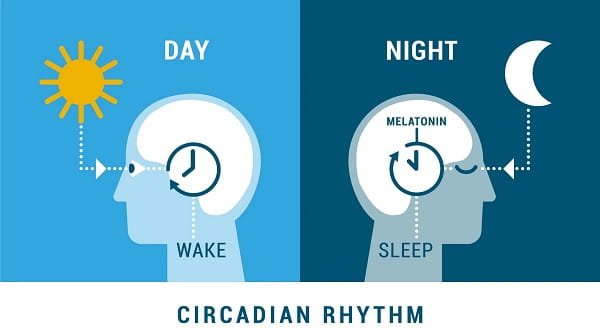
The brain’s suprachiasmatic nucleus (SCN), located in the hypothalamus, acts as the body’s master clock. It receives signals from the eyes about light and darkness, allowing it to synchronize the body’s internal timing with the outside environment.
Why Light Is So Important
Light is the strongest external cue, or zeitgeber, that helps keep your circadian rhythm aligned with the day-night cycle.
When natural light enters the eyes, it signals the brain that it is daytime. In response, the body increases alertness, supports healthy cortisol release in the morning, and suppresses the production of melatonin—the hormone that promotes sleep.
As daylight fades in the evening, melatonin production gradually increases, preparing the body for restful sleep.
Disruptions to this natural pattern can interfere with the body’s internal clock.
Morning Light Exposure
Getting natural light shortly after waking is one of the most effective ways to support a healthy circadian rhythm.
Morning sunlight helps:
- Increase alertness
- Improve mood
- Boost daytime energy
- Reset the body’s internal clock
- Promote easier sleep at night
Even 15 to 30 minutes of outdoor light exposure after waking can make a noticeable difference. Natural daylight is much brighter than typical indoor lighting, even on cloudy days.
The Effects of Artificial Light
Modern lifestyles expose people to artificial light long after sunset.
Common sources include:
- Smartphones
- Tablets
- Computers
- Televisions
- Bright LED lighting
Exposure to bright light during the evening—especially blue-enriched light emitted by many electronic screens—can delay melatonin production, making it more difficult to fall asleep and potentially shifting the body’s internal clock later.
Using devices at night does not automatically cause sleep problems for everyone, but reducing bright light exposure before bedtime may help improve sleep quality.
Benefits of Light Optimization
Optimizing your daily light exposure can provide several health benefits.
1. Better Sleep Quality
A well-aligned circadian rhythm makes it easier to fall asleep, stay asleep, and wake feeling refreshed.
2. Improved Daytime Energy
Consistent morning light exposure helps regulate the sleep-wake cycle, leading to greater alertness throughout the day.
3. Enhanced Mood
Natural daylight has been associated with improved mood and emotional well-being. Bright light therapy is also used under medical supervision to treat certain conditions, such as seasonal affective disorder (SAD).
4. Better Cognitive Performance
Healthy circadian rhythms support concentration, memory, learning, and decision-making.
5. Metabolic Health
Emerging research suggests that circadian alignment may influence metabolism, appetite regulation, and blood sugar control. Maintaining regular sleep and light exposure patterns may support overall metabolic health, although many factors contribute to these outcomes.
Practical Ways to Optimize Light Exposure
1. Spend Time Outdoors Early
Aim to go outside within the first hour after waking whenever possible. Walking, exercising, or simply enjoying your morning coffee outdoors can provide valuable natural light exposure.
2. Keep Indoor Spaces Bright During the Day
Open curtains and blinds to maximize natural daylight inside your home or workplace. If natural light is limited, work near windows whenever possible.
3. Dim Lights in the Evening
As bedtime approaches, gradually reduce indoor lighting. Softer, warmer lighting creates an environment that better supports the body’s natural preparation for sleep.
4. Reduce Screen Time Before Bed
Try to limit smartphone, tablet, and computer use for at least one hour before bedtime. If screen use is necessary, consider reducing brightness or enabling built-in night mode features that decrease blue light emissions.
5. Maintain a Consistent Sleep Schedule
Going to bed and waking up at similar times every day reinforces your circadian rhythm and works together with healthy light exposure.
Who Benefits Most from Light Optimization?
Nearly everyone can benefit from improved light habits, but it may be particularly helpful for:
- Shift workers
- Office employees who spend most of the day indoors
- Students
- Frequent travelers experiencing jet lag
- Older adults
- Individuals with irregular sleep schedules
People living in regions with limited winter daylight may also benefit from discussing light therapy options with a healthcare provider if they experience persistent seasonal mood or sleep changes.
Common Mistakes to Avoid
Many people unintentionally disrupt their circadian rhythm by:
- Staying indoors all day
- Sleeping in very dark rooms during the morning after waking naturally
- Using bright screens late at night
- Keeping inconsistent sleep schedules
- Consuming caffeine late in the evening
- Ignoring natural daylight during work hours
Small daily adjustments can gradually improve circadian alignment over time.
Limitations of Light Optimization
Although healthy light exposure is important, it is not a cure-all. Sleep quality and overall health are also influenced by factors such as stress, exercise, nutrition, medical conditions, medications, and sleep disorders.
Individuals with persistent insomnia, excessive daytime sleepiness, or suspected circadian rhythm disorders should seek evaluation from a qualified healthcare professional rather than relying solely on changes in light exposure.
Conclusion
Light optimization is a simple yet powerful strategy for supporting healthy circadian rhythms. By increasing natural light exposure during the morning, minimizing bright artificial light in the evening, and maintaining consistent daily routines, individuals can improve sleep quality, daytime alertness, mood, and overall well-being. While light is only one piece of the health puzzle, aligning your daily habits with your body’s natural biological clock can have lasting benefits. Combined with regular physical activity, balanced nutrition, and good sleep hygiene, smart light management offers an effective foundation for a healthier and more energized life.