
The skincare industry is constantly introducing new ingredients that promise healthier, younger-looking skin. One of the latest innovations gaining attention is plant-derived PDRN. Traditionally associated with regenerative skincare and aesthetic treatments, PDRN has become a popular ingredient in serums, creams, sheet masks, and professional skin treatments. Recently, brands have begun developing plant-based alternatives that aim to deliver similar skin-repair benefits while appealing to consumers looking for vegan or cruelty-free skincare options.
But what exactly is plant-derived PDRN, and does it actually work? Understanding the science behind this emerging ingredient can help you make informed decisions before adding it to your skincare routine.
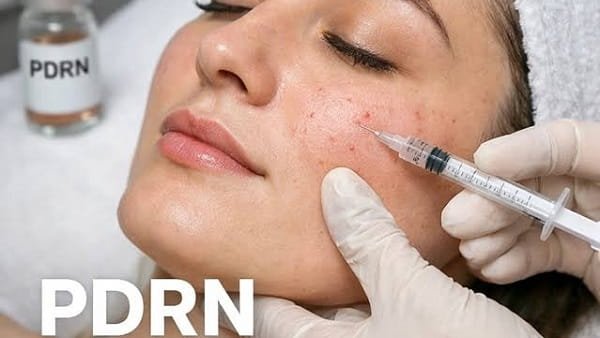
What Is PDRN?
PDRN stands for Polydeoxyribonucleotide, a compound made up of small fragments of DNA. In medical and cosmetic settings, PDRN has been studied for its ability to support tissue repair and wound healing. It has also been used in certain medical treatments to promote skin regeneration and improve healing after injuries or procedures.
In skincare, PDRN is promoted for its potential to encourage skin repair, improve hydration, and enhance overall skin quality.
What Is Plant-Derived PDRN?
Traditional cosmetic PDRN has often been sourced from purified DNA extracted from salmon or trout. Plant-derived PDRN, however, refers to newer biotechnology-based ingredients designed to mimic or provide similar biological functions using plant sources or plant-cell technologies instead of animal-derived materials.
Rather than containing the exact same DNA fragments found in traditional PDRN, some plant-derived products use botanical nucleotides, plant DNA extracts, or bioengineered ingredients that are intended to support skin renewal through similar pathways. The specific formulation varies by manufacturer, so not all products labeled as “plant PDRN” contain identical ingredients.
This innovation appeals to consumers seeking vegan-friendly, sustainable, or animal-free skincare products.
How Is Plant-Derived PDRN Believed to Work?
Although research on plant-derived versions is still emerging, these products are generally marketed as supporting the skin’s natural repair processes.
Possible mechanisms include:
1. Supporting Skin Renewal
Some formulations aim to encourage healthier skin turnover, helping damaged or stressed skin recover more efficiently.
2. Improving Hydration
Many plant-derived PDRN products are combined with hydrating ingredients such as hyaluronic acid, glycerin, or ceramides that help strengthen the skin barrier and improve moisture retention.
3. Reducing Visible Signs of Aging
Manufacturers claim that regular use may help improve skin texture, reduce the appearance of fine lines, and promote firmer-looking skin by supporting overall skin health.
4. Calming the Skin
Certain plant-based nucleotide extracts may help soothe temporary redness and irritation while supporting recovery after environmental stress.
It is important to note that these benefits depend on the complete product formulation, not solely on the presence of plant-derived PDRN.
5. Potential Benefits of Plant-Derived PDRN
When included in a well-formulated skincare product, plant-derived PDRN may offer several potential advantages.
6. Enhanced Skin Hydration
Well-hydrated skin appears smoother, softer, and more radiant. Many products containing plant-derived PDRN focus on restoring moisture and strengthening the skin barrier.
7. Improved Skin Texture
Consistent use may help improve roughness and promote a smoother complexion by supporting healthy skin renewal.
8. Healthier Skin Barrier
A strong skin barrier protects against moisture loss, pollution, and environmental damage. Some formulations aim to support barrier recovery, particularly after dryness or irritation.
9. Suitable for Sensitive Skin
Many plant-derived skincare formulations are designed with gentle ingredients, making them appealing for individuals with sensitive skin. However, tolerance varies depending on the full ingredient list.
10. Vegan-Friendly Alternative
One of the biggest advantages is that plant-derived PDRN offers an alternative for consumers who prefer plant-based or cruelty-free beauty products.
Does Plant-Derived PDRN Actually Work?
The answer is promising, but more research is needed.
Traditional PDRN has been studied in medical and dermatological settings, with evidence suggesting it may support tissue repair and skin healing in certain situations. However, the scientific evidence supporting plant-derived PDRN is currently much more limited.
Many plant-derived products rely on laboratory studies, manufacturer research, or evidence supporting other accompanying ingredients rather than large, independent clinical trials specifically evaluating plant-derived PDRN itself.
This does not necessarily mean these products are ineffective, but it does mean that claims should be interpreted carefully until more high-quality research becomes available.
How to Use Plant-Derived PDRN Products
Most products containing plant-derived PDRN are available as:
- Facial serums
- Moisturizers
- Sheet masks
- Ampoules
- Overnight repair creams
For best results:
- Cleanse the skin thoroughly.
- Apply toner if desired.
- Use the PDRN serum or treatment.
- Follow with moisturizer.
- Apply sunscreen during the daytime.
Consistency is generally more important than using large amounts of product.
Who May Benefit?
Plant-derived PDRN products may be suitable for individuals who want to:
- Improve skin hydration
- Support skin barrier recovery
- Reduce the appearance of dullness
- Address early signs of aging
- Maintain healthier-looking skin
- Choose vegan or plant-based skincare options
People recovering from cosmetic procedures should follow the recommendations of their dermatologist or healthcare provider rather than relying solely on over-the-counter skincare products.
Things to Keep in Mind
While plant-derived PDRN appears promising, consumers should maintain realistic expectations.
No skincare ingredient can completely erase wrinkles, permanently tighten skin, or replace professional medical treatments when these are necessary.
It is also important to check the full ingredient list, as product performance depends on the combination of ingredients rather than a single active compound.
Individuals with sensitive skin should perform a patch test before using any new skincare product.
Conclusion
Plant-derived PDRN represents an exciting development in modern skincare, offering a plant-based alternative inspired by the regenerative properties associated with traditional PDRN. Although current evidence suggests these products may help improve hydration, support the skin barrier, and promote healthier-looking skin, research on plant-derived formulations is still developing. Their effectiveness likely depends on the overall formulation and consistent use rather than the ingredient alone. When combined with proven skincare habits—such as daily sunscreen use, gentle cleansing, moisturizing, and a balanced lifestyle—plant-derived PDRN products may become a valuable addition to a well-rounded skincare routine.