
They look almost identical at first glance. Both are white plastic pipes. Both are widely used in homes, farms, and commercial buildings. And in most hardware shops across India, PVC and UPVC pipes are placed right next to each other on the same shelf. That’s why many homeowners assume they’re basically the same thing.
But the truth is very different.
The difference between PVC and UPVC is not just technical jargon. It directly affects durability, water safety, pressure handling, lifespan, and even long-term maintenance costs. One may work perfectly for drainage systems, while the other is better suited for long-lasting plumbing lines.
Before choosing the cheaper option blindly, it’s important to understand what really separates PVC from UPVC and which one is actually better for your home or project.
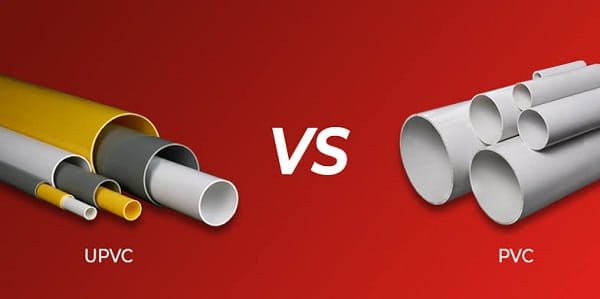
PVC Pipe vs UPVC Pipe: Quick Comparison
| Feature | PVC Pipe | UPVC Pipe |
| Full Form | Polyvinyl Chloride | Unplasticized Polyvinyl Chloride |
| Flexibility | More flexible | More rigid and strong |
| Plasticizers | Contains plasticizers | No plasticizers |
| Strength | Moderate | Higher strength |
| Durability | Good | Excellent |
| Heat Resistance | Moderate | Better |
| Chemical Resistance | Good | Very good |
| Water Supply Usage | Limited in some applications | Widely used |
| Lifespan | 10–20 years | 25–50 years |
| Maintenance | Low | Very low |
| Cost | Slightly cheaper | Slightly more expensive |
| Best For | Drainage, electrical conduits | Plumbing and water supply |
What Is PVC Pipe?
PVC stands for Polyvinyl Chloride. It is one of the most commonly used plastic materials in the world.
PVC pipes contain plasticizers, which make them more flexible and easier to bend. Because of this flexibility, PVC pipes are commonly used in:
- Drainage systems
- Irrigation
- Electrical conduits
- Low-pressure water systems
PVC is lightweight, affordable, and resistant to corrosion, making it suitable for many basic applications.
What Is UPVC Pipe?
UPVC stands for Unplasticized Polyvinyl Chloride. Unlike regular PVC, UPVC does not contain plasticizers.
This makes UPVC:
- Harder
- More rigid
- Stronger
- More durable
UPVC pipes are widely used for:
- Drinking water supply
- Residential plumbing
- Industrial piping
- Sewer systems
- High-pressure water applications
Because of their strength and long lifespan, UPVC pipes are now extremely popular in modern construction.
Strength and Durability
UPVC pipes are noticeably stronger than regular PVC pipes.
Since they do not contain plasticizers, they remain rigid and maintain their shape even under pressure. They are less likely to bend, crack, or weaken over time.
PVC pipes are more flexible, which can be useful in some situations, but they are generally less durable compared to UPVC.
Winner:
UPVC
Lifespan and Long-Term Performance
UPVC pipes usually last much longer. High-quality UPVC piping systems can easily survive 25–50 years with proper installation.
PVC pipes also offer decent durability but often have a shorter lifespan under continuous pressure or harsh environmental conditions.
For long-term plumbing systems, UPVC is generally the safer investment.
Winner:
UPVC
Water Supply Safety
UPVC pipes are widely preferred for drinking water systems because they are chemically stable and resistant to corrosion.
PVC pipes are more commonly used in non-potable water systems, drainage, or conduit applications.
Modern UPVC plumbing systems are specifically designed for safe residential water supply.
Winner:
UPVC
Flexibility and Handling
PVC pipes are more flexible because of the plasticizers added during manufacturing.
This flexibility makes them easier to install in curved layouts or underground systems where slight bending is needed.
UPVC pipes are more rigid and require more precise fittings and alignment during installation.
Winner:
PVC
Chemical and Corrosion Resistance
Both PVC and UPVC resist corrosion much better than metal pipes.
However, UPVC generally offers better chemical resistance and stability over long periods, especially in industrial or high-pressure environments.
Winner:
UPVC
Heat Resistance
Neither PVC nor UPVC is ideal for very high-temperature water systems like CPVC pipes are.
However, UPVC handles moderate temperature conditions better than regular PVC.
PVC pipes may soften or deform faster when exposed to heat continuously.
Winner:
UPVC
Cost Difference
PVC pipes are usually slightly cheaper than UPVC pipes.
For large projects where budget matters heavily, this cost difference can become noticeable.
However, UPVC often provides better long-term value because of its durability and lower maintenance needs.
Winner:
PVC for affordability
Which Is Better for Plumbing?
For household plumbing and water supply systems, UPVC is generally the better choice because it offers:
- Better strength
- Longer lifespan
- Improved water safety
- Better pressure handling
PVC pipes are more commonly used for:
- Drainage
- Electrical conduits
- Agricultural systems
- Temporary water lines
Which Is Better for Drainage Systems?
PVC works very well for drainage applications because flexibility is often more useful than high rigidity in these systems.
UPVC can also be used, but regular PVC is often more economical for non-pressurised drainage work.
Winner:
PVC
Which One Should You Choose?
Choose PVC pipes if:
- You want lower-cost piping
- You need flexible installation
- You are working on drainage systems
- You need electrical conduit pipes
- The system handles low pressure
Choose UPVC pipes if:
- You want long-lasting plumbing
- You need drinking water supply pipes
- You require higher strength
- You want better pressure resistance
- You prefer lower long-term maintenance
Final Verdict
Both PVC and UPVC pipes are useful, but they are designed for different purposes.
PVC pipes are affordable, flexible, and ideal for drainage systems, irrigation, and conduit work. They perform well in low-pressure applications where flexibility matters.
UPVC pipes, however, are stronger, more durable, and better suited for plumbing and water supply systems. Their rigid structure and long lifespan make them one of the most reliable piping materials for modern homes.
In simple terms:
- Choose PVC for drainage and low-pressure applications
- Choose UPVC for plumbing and long-term water supply systems
For most modern residential plumbing projects today, UPVC is usually considered the better overall choice.
FAQs
Q: Which is better, PVC or UPVC pipe?
A: UPVC is generally better for plumbing and water supply because it is stronger and more durable.
Q: What is the main difference between PVC and UPVC?
A: PVC contains plasticizers that make it flexible, while UPVC does not, making it more rigid and stronger.
Q: Is UPVC safe for drinking water?
A: Yes. UPVC pipes are commonly used for potable drinking water systems.
Q: Which pipe lasts longer?
A: UPVC pipes usually last longer than standard PVC pipes.
Q: Is PVC cheaper than UPVC?
A: Yes. PVC pipes are generally slightly cheaper.
Q: Which is better for drainage systems?
A: PVC is commonly preferred for drainage systems because of its flexibility and lower cost.
Q: Can UPVC handle hot water?
A: UPVC can handle moderate temperatures but is not ideal for hot water systems. CPVC is better for hot water applications.
 Prateema Jain